
How-To
Heat Protectant Serum Guide
How to choose and use heat protectant serums for blow-drying, flat-ironing, and curling.

Hair Serums
How-To · Updated July 2026
Step-by-step guide to applying hair serum for shine, frizz control, and heat protection.
Most people who say serum “does not work” are applying it wrong — too much product, the wrong hair state, or the wrong zone. Hair serum is a concentrated leave-in treatment, not a conditioner replacement. When you match application method, dose, and timing to your hair type, the difference between a greasy mess and a polished finish is usually technique, not brand. This guide walks through every step so you get consistent results from the first wash day forward.
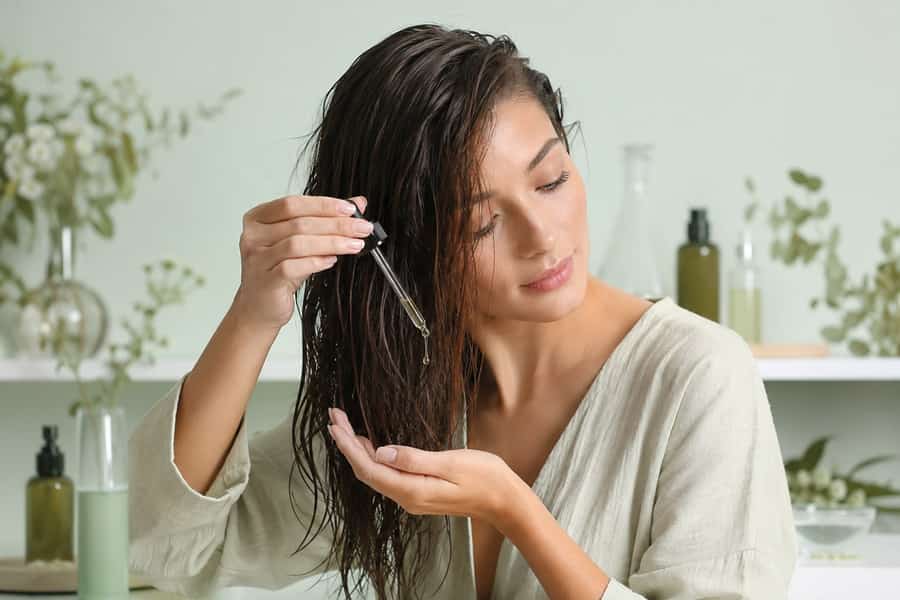
Most leave-in serums work best on towel-dried, damp hair — not soaking wet, not fully dry. Damp hair has a slightly open cuticle that absorbs serum evenly and distributes product without pooling. If you apply to soaking-wet hair, the serum dilutes and slides off before it can adhere. If you apply to fully dry hair as your primary method, you are using serum as a finisher only — which requires a much smaller dose.
The exception: scalp serums (growth, thinning) apply to a clean, dry scalp. Strand serums and scalp serums follow different rules — check your product label before starting.
Getting the dose right matters more than which brand you buy. Here is a starting framework by length:
Fine hair should start with half these amounts. Thick or coarse hair can handle the full dose but should still work in sections for even coverage. Warm the serum between your palms before applying — this emulsifies the product and prevents concentrated patches that feel greasy.
Glide palms over mid-lengths and ends using a pressing or smoothing motion, not rubbing. Rubbing creates friction that worsens frizz and tangling on damaged ends. Think of pressing the product into the hair shaft rather than sliding over the surface.
For curly or coily hair, work in sections — four to six depending on density. Apply serum to each section before moving to the next. Use prayer hands (palms pressed together gliding down the section) or rake-through method for even distribution from mid-length to tip.
Never apply strand serum to the scalp unless the product specifically instructs scalp use. Root application of length-focused serums causes greasiness and flatness within hours.
Product order determines whether your serum works with or against the rest of your routine:
Serum usually goes after rinse-out conditioner and before styling cream, gel, or mousse. If your routine includes oil, apply serum first on damp hair, then add oil only on ends if needed. Heat protectant serums should be the last product before blow-drying or flat-ironing.
A single drop on dry hair can tame flyaways and add polish without restarting your routine. Rub the drop between fingertips and smooth over the specific areas that need touch-up — temples, crown flyaways, or rough ends. Avoid reapplying to already-coated strands; that leads to buildup and dullness over days two and three.
Products like It’s a 10 Miracle Leave-In work on both damp and dry hair, making them versatile for wash-day application and mid-week touch-ups. Living Proof No Frizz serves a similar dual-purpose role for frizz-prone textures.
Fine hair: Apply below the ears only. Use half the recommended dose. If hair goes flat within four hours, reduce further. A lightweight frizz serum like Living Proof No Frizz is a better match than heavy oil-based serums.
Thick and coarse hair: Section into four to six parts. Apply a full dose per section using a pressing motion. Focus on mid-lengths and ends where dryness and frizz concentrate.
Curly and coily hair: Apply on soaking-wet or damp hair before gel or cream. Serum adds slip for detangling and seals moisture into high-porosity strands. Do not rake aggressively — use gentle pressing motions to preserve curl clumps.
Straight hair: Apply on towel-dried hair before blow-drying. Serum reduces blow-dry time by smoothing the cuticle. A second micro-dose before flat-ironing adds heat protection and glass-like shine.
Over-applying is the number one error. More product does not mean better results — it means flat roots, greasy ends, and product transfer to your pillowcase. Applying serum to the scalp when the product is designed for lengths causes greasiness within hours. Skipping sectioning on thick or curly hair leads to uneven coverage where some sections are coated and others are bare. Changing products every few days prevents fair evaluation — commit to one serum for two full weeks before judging results.
Wash day: Apply serum on damp hair after conditioner, then style as usual. This is your primary application — get the dose and technique right here.
Day two: Skip reapplication unless ends feel rough. If needed, one drop on dry ends only — not a full reapplication.
Day three: Refresh with a light water mist or water-based serum if hair feels dry. Avoid adding oil or silicone serum on top of already-coated hair.
Monthly: Clarify with a gentle clarifying shampoo if hair feels coated, stiff, or dull despite proper dosing. Buildup from silicones and oils accumulates gradually.
Serum application is a skill that improves with practice. The right dose for your hair is almost always less than you think. Start small, apply with pressing motions on damp mid-lengths and ends, layer in the correct order, and evaluate over two full weeks before adjusting. Technique consistently outperforms brand switching — master the method first, then optimize the product.
Match technique to a product shortlist: best frizz serum for fine hair or best frizz serum for curly hair. Dial dose with how much serum to use. Compare formats in serum vs oil and browse the best hair serums map.
Apply most strand serums to towel-dried damp mid-lengths and ends. Warm a pea-sized amount in your palms and press through — do not rub. Keep length formulas off the roots unless the label is a scalp treatment.
Damp hair is the default for leave-in strand serums. Dry hair is for micro-dose finishing only. Scalp serums usually need a clean, dry scalp.
Start with a pea-sized amount for shoulder-length hair. Fine hair often needs half; thick or coily hair may need sectioned doses. Adjust after one week.
After rinse-out conditioner and before styling cream or gel. Add finishing oil only on dry ends if needed.
Every wash day is typical for leave-ins. On non-wash days, refresh ends with a tiny amount instead of recoating all lengths.
Cut the dose by 30–50%, move application lower on the lengths, and skip root contact. Switch to a lighter texture if buildup persists after two weeks.
How to choose and use heat protectant serums for blow-drying, flat-ironing, and curling.

Find the right serum amount for your hair length, density, and texture without buildup.
How to layer hair serums with conditioner, oil, cream, and gel without buildup.