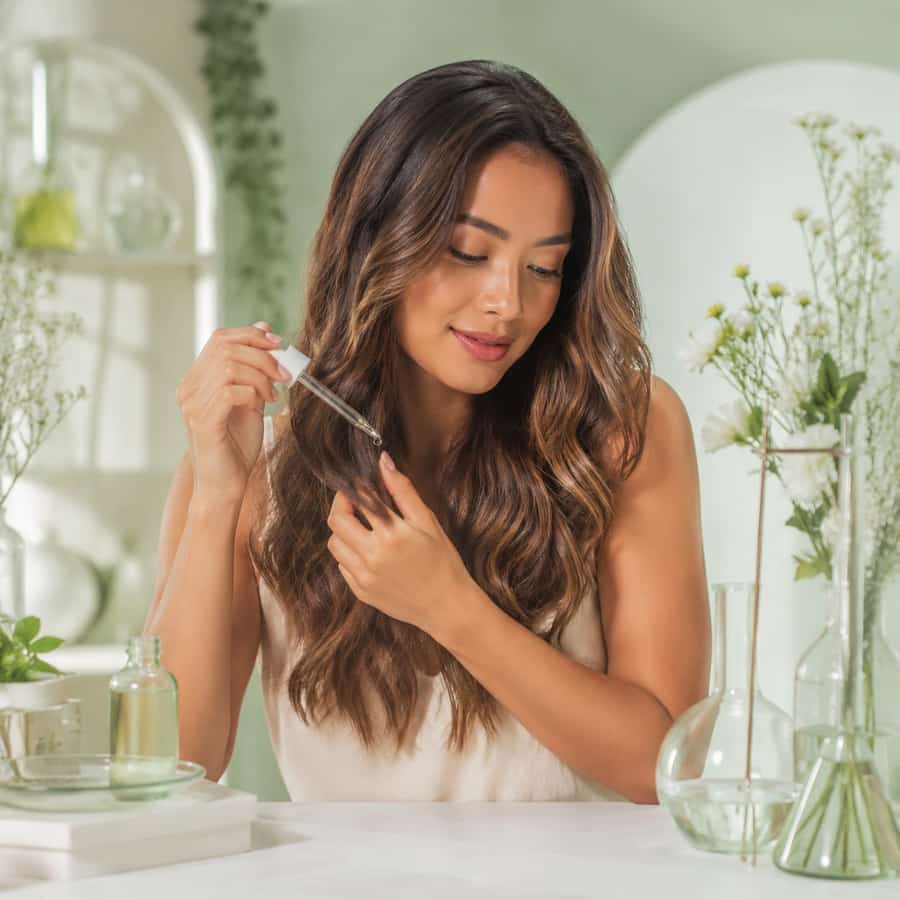
Hair serums can meaningfully improve color protection concerns, but only when product weight, application timing, and wash frequency align with your hair type. This guide gives you a practical system that starts with routine fit before trend claims. The biggest mistake people make is choosing a serum by popularity alone rather than matching the formula to their specific hair profile and concern severity.
This page combines three things: a framework for understanding what causes color protection, ingredient guidance for choosing the right formula, and direct links to hair-type-specific recommendation guides for color protection. Use it as your starting point, then open a hair-type guide when you need deeper product comparisons.
What causes color protection
Color fading is a multi-factor process. UV radiation from sun exposure breaks down dye molecules in the cortex, causing the most dramatic fading on red and fashion colors. Water exposure — washing, swimming, rain — gradually leaches dye from porous areas of the cuticle. Hot water opens the cuticle further, accelerating color loss with every shampoo.
Chemical factors matter too. Hard water minerals bind to hair and create a film that dulls color and makes tones look brassy. Chlorine oxidizes dye molecules directly. Sulfate shampoos strip color faster than sulfate-free alternatives because they cleanse more aggressively and open the cuticle wider.
Hair porosity after coloring determines how fast color escapes. Bleached or lifted hair is highly porous and loses color rapidly without protection. Single-process permanent color on virgin hair holds longer but still fades from the ends first as the oldest, most exposed sections weather daily styling, washing, and environmental exposure.
What to look for in a color protection serum
Color protection serums should address three mechanisms: cuticle sealing, UV filtering, and pH balancing. Silicones and amino silicones seal the cuticle to trap dye molecules inside the strand. UV filters (benzophenone-4, ethylhexyl methoxycinnamate) block the radiation that breaks down color. Acidic formulas (pH 4–5) keep the cuticle closed and prevent alkaline swelling that pushes color out.
Look for serums specifically labeled for color-treated hair rather than general leave-ins. Color-specific formulas avoid clarifying ingredients and harsh alcohols that accelerate fading. Bond-repair ingredients are a bonus — coloring breaks bonds, and maintaining structural integrity helps the cuticle stay smooth and color stay locked in.
Consider your color type. Blonde and highlighted hair often needs anti-brass toning in addition to fade protection. Red and vivid fashion colors need maximum UV protection because their dye molecules are largest and most vulnerable to breakdown. Brunette tones benefit most from cuticle sealing and shine enhancement.
How to apply color protection serum
Apply color protection serum to clean, damp hair after color-safe conditioner. This is the most critical application — freshly washed hair has an open cuticle that will either absorb protective ingredients or lose color molecules depending on what you apply first.
Distribute evenly from roots to ends if all hair is colored, or from the color line downward for highlighted hair. Use a wide-tooth comb to ensure the serum reaches every section. Do not rinse out unless the product is specifically a rinse treatment.
On sunny days or between washes, a small amount on dry hair adds UV protection for outdoor activities. Focus on the top and outer layers that receive the most sun exposure. At the pool or beach, wet hair with clean water and apply serum before swimming — saturated hair absorbs less chlorine or salt water.
Top products for color protection
1) Kérastase Chroma Absolu Serum
A high-end color protection serum with amino acid technology that seals the cuticle and prevents fade. Best for salon-colored hair.
2) Pureology Colour Fanatic Multi-Tasking Leave-In Spray
A 21-benefit leave-in spray with UV filters and heat protection. Versatile daily color defense at a mid-range price.
3) Redken Acidic Color Gloss Leave-In Treatment
An acidic pH formula that smooths the cuticle and adds glossy vibrancy to color-treated hair. Helps combat brassiness on blonde tones.
Weekly usage framework
For most hair types, apply your color protection serum after every wash while hair is still damp. Adjust dose based on length and density — start with less than you think you need and increase only if results are insufficient after one week. If you wash two to three times per week, that cadence is usually enough. If you co-wash or stretch washes longer, a mid-week refresh on ends may help without full reapplication.
Technique matters as much as product choice. Warm the serum between palms before applying to improve spread and prevent concentrated patches. Work in sections for curly, coily, or thick hair to ensure even coverage. Avoid applying to already-coated dry strands unless the product is specifically designed as a finishing serum.
Track your results with simple notes: how does hair feel on wash day, day two, and day three? Does styling take less time? Is the specific concern visibly reduced? Two weeks of notes gives you enough data to decide whether to adjust dose, timing, or product.
How to evaluate results after 14 days
Use four checkpoints:
- Texture feel: Does hair feel smoother, softer, or more manageable during styling?
- Visual change: Is the specific concern (frizz, dryness, fading, etc.) visibly reduced?
- Buildup check: Does hair still feel clean and move naturally, or coated and heavy?
- Routine fit: Can you maintain this application schedule without frustration?
If at least three checkpoints improve, keep the product and tune dose. If one or fewer improve, change either the product weight or application timing before replacing everything.
Seasonal and lifestyle adjustments
Your serum routine should adapt to weather, activity level, and styling habits. In humid seasons, lighter formulas and smaller doses prevent buildup. In dry or cold weather, you may need slightly more product or more frequent application on ends. If you swim regularly, look for serums with UV or chlorine protection built in.
Heat styling frequency also changes serum needs. Daily heat users should prioritize heat-protectant serums and incorporate bond-repair treatments on rest days. If you air-dry most of the time, focus on leave-in serums that enhance your natural texture rather than fighting it.
Smart buying checklist
Before buying, evaluate fit through five filters:
- Ingredient match: Does the formula target your specific concern with proven actives?
- Texture tolerance: Can your hair handle this serum’s weight at the recommended dose?
- Routine compatibility: Does the application method fit your wash and style schedule?
- Cost per month: Will this remain practical after the first bottle runs out?
- Versatility: Does it solve one problem well, or create trade-offs elsewhere?
The best serum is the one that performs consistently at a dose and cadence you can maintain without frustration.
Final take
Color Protection serums work when you match formula weight to hair type, apply with precision, and evaluate results over two full weeks before switching. Use the hair-type guides below to find recommendations tailored to your specific hair profile, and revisit your routine seasonally as weather and styling habits change.
30-day troubleshooting playbook
When outcomes are inconsistent, avoid changing everything at once. Use this troubleshooting sequence:
- Week 1: Keep the same serum and reduce quantity by 30 to 50 percent.
- Week 2: Keep quantity steady and move timing (for example, from post-wash to pre-styling).
- Week 3: Keep timing and quantity, then adjust placement (roots versus mids/ends).
- Week 4: Only now test a different serum family if checkpoints are still poor.
This process isolates variables and prevents false conclusions. Many disappointing results come from method mismatches rather than bad products. By changing one lever at a time, you can identify whether the real issue is weight, contact time, or distribution.
If scalp comfort drops, prioritize scalp health over cosmetic finish. Pause heavy root application, simplify to gentle cleansing, and reintroduce serum gradually with lighter options. If breakage stays high, review handling first — rough detangling and friction from towels or sleep surfaces can outweigh ingredient choices.
Common mistakes to avoid
Over-applying is the number one error across all hair types. More product does not mean better results — it means buildup, dullness, and sometimes the exact problem you are trying to solve (frizz from coated strands, flatness from weighed-down roots). Start with half the recommended amount and increase only after a full week of evaluation.
Applying to the wrong zone is the second most common mistake. Scalp treatments belong on the scalp; leave-in serums belong on mid-lengths and ends. Mixing these up wastes product and can cause irritation or greasiness at the roots.
Switching products too quickly prevents you from seeing real results. Most serums need two full weeks of consistent use before you can judge performance. Changing every three to four days means you never give any formula a fair trial.
Ignoring your shampoo and conditioner is another trap. A great serum cannot compensate for a stripping shampoo or a conditioner that lacks adequate slip. If your base routine is wrong, fix that first before investing in specialty serums.
Where to go next
If you already know your hair type, open a pairing guide such as best color protection serum for curly hair or best color protection serum for fine hair. For technique, see how to apply hair serum and how much serum to use. Compare formats in serum vs oil when you are choosing between a lightweight leave-in and a richer oil.
Guides by hair type
Color Protection serum for every hair type
Frequently Asked Questions
How do color protection serums work?
They seal the cuticle to lock dye molecules in, filter UV rays that fade color, and maintain the acidic pH that keeps color vibrant.
When should I apply color protection serum?
After every wash on damp hair. Some formulas also work as a daily UV shield on dry hair between washes.
Can color serums prevent all fading?
No product stops all fading — but a good serum can extend vibrancy by 30–50% between salon visits when used consistently.
Do I need color protection for semi-permanent dye?
Yes. Semi-permanent color washes out faster and benefits even more from cuticle-sealing protection.
What is a color protection serum supposed to do?
A color protection serum targets that concern with a leave-in texture matched to hair type — smoothing, repairing, protecting, or supporting the scalp — without replacing shampoo, conditioner, or medical care when those are needed.
How do I apply a color protection serum?
Most strand serums go on towel-dried mid-lengths and ends after washing. Scalp-focused formulas go on a clean scalp in sections. Start with a pea-sized amount for shoulder-length hair and adjust after one week.