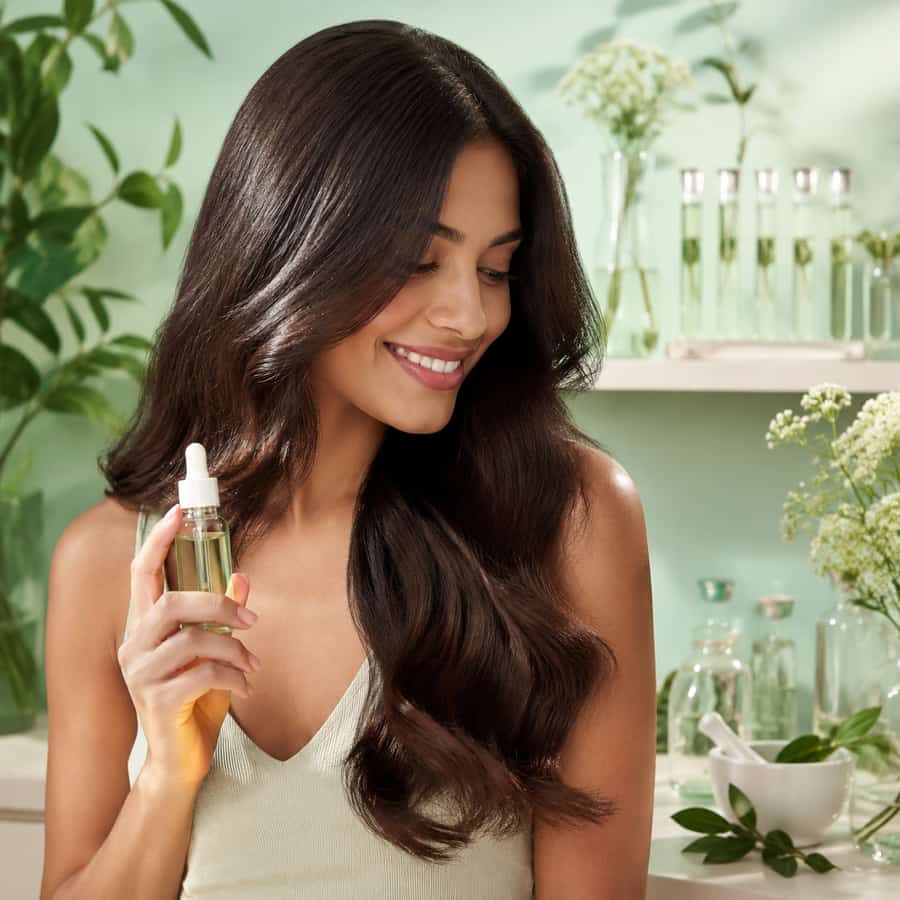
Hair serums can meaningfully improve shine & smooth concerns, but only when product weight, application timing, and wash frequency align with your hair type. This guide gives you a practical system that starts with routine fit before trend claims. The biggest mistake people make is choosing a serum by popularity alone rather than matching the formula to their specific hair profile and concern severity.
This page combines three things: a framework for understanding what causes shine & smooth, ingredient guidance for choosing the right formula, and direct links to hair-type-specific recommendation guides for shine & smooth. Use it as your starting point, then open a hair-type guide when you need deeper product comparisons.
What causes shine & smooth
Dull hair is usually a cuticle problem. When cuticle scales lie flat and smooth, light reflects uniformly off the strand surface, creating shine. When cuticles are lifted, rough, or damaged, light scatters in multiple directions and hair appears matte, frizzy, or lifeless. Product buildup, hard water mineral deposits, and environmental pollutants can all coat the strand and block its natural reflective quality.
Hair type affects baseline shine. Straight hair reflects light more easily because the flat surface area is larger. Curly hair has more angles and shadow areas, so it naturally appears less glossy even when healthy. This does not mean curly hair cannot be shiny — it means the approach differs. Curl-specific shine serums focus on definition and surface smoothness rather than mirror-like reflection.
Over-washing, harsh shampoos, and skipping conditioner strip the lipid layer that gives hair its natural sheen. Heat damage creates micro-roughness on the cuticle surface. Aging hair produces less sebum, reducing the natural oil coating that keeps mature hair looking glossy.
What to look for in a shine & smooth serum
Shine serums typically rely on silicones, lightweight oils, or both. Dimethiconol and amodimethicone provide excellent gloss with heat protection built in. Argan, camellia, and marula oils add natural luminosity without the plastic-like finish some silicones create. The best shine serums combine a smoothing agent with a light emollient for multidimensional gloss.
Avoid heavy oils (castor, coconut, olive) in shine serums unless you have very thick or coarse hair. These create shine through coating rather than cuticle smoothing, and they build up faster than lightweight alternatives. Look for serums with “illuminating,” “gloss,” or “shine” in the name or description.
Consider whether you need shine alone or shine plus another benefit. Many shine serums also control frizz, protect from heat, or add softness. A dedicated shine serum works best when gloss is your primary goal and you already have other products handling frizz or repair.
How to apply shine & smooth serum
Less is more with shine serums. Start with one to two drops for shoulder-length hair. Warm between palms and apply to dry or damp ends using a gliding motion — think of polishing the surface rather than saturating it.
For blowout-level shine, apply a small amount to damp hair before heat styling. The serum creates a smooth foundation that the dryer or flat iron seals in. For everyday gloss, apply to dry hair as a finishing step, focusing on the outer layer visible when hair falls naturally.
Avoid applying shine serum to the roots or scalp — it will look greasy within hours. If shine fades by afternoon, you are likely using too much product at once rather than needing more. A micro-dose refresh on dry ends works better than reapplying a full amount.
Top products for shine & smooth
1) Kérastase Elixir Ultime Hair Oil
A luxurious blend of four oils that delivers high-gloss shine without a greasy finish. Best for medium to thick hair.
2) CHI Silk Infusion
A silk-based serum that smooths the cuticle and adds a polished shine. Works well before heat styling.
3) Paul Mitchell Super Skinny Serum
A lightweight smoothing serum that reduces drying time and adds shine. Ideal for fine to medium hair that needs gloss without weight.
Weekly usage framework
For most hair types, apply your shine & smooth serum after every wash while hair is still damp. Adjust dose based on length and density — start with less than you think you need and increase only if results are insufficient after one week. If you wash two to three times per week, that cadence is usually enough. If you co-wash or stretch washes longer, a mid-week refresh on ends may help without full reapplication.
Technique matters as much as product choice. Warm the serum between palms before applying to improve spread and prevent concentrated patches. Work in sections for curly, coily, or thick hair to ensure even coverage. Avoid applying to already-coated dry strands unless the product is specifically designed as a finishing serum.
Track your results with simple notes: how does hair feel on wash day, day two, and day three? Does styling take less time? Is the specific concern visibly reduced? Two weeks of notes gives you enough data to decide whether to adjust dose, timing, or product.
How to evaluate results after 14 days
Use four checkpoints:
- Texture feel: Does hair feel smoother, softer, or more manageable during styling?
- Visual change: Is the specific concern (frizz, dryness, fading, etc.) visibly reduced?
- Buildup check: Does hair still feel clean and move naturally, or coated and heavy?
- Routine fit: Can you maintain this application schedule without frustration?
If at least three checkpoints improve, keep the product and tune dose. If one or fewer improve, change either the product weight or application timing before replacing everything.
Seasonal and lifestyle adjustments
Your serum routine should adapt to weather, activity level, and styling habits. In humid seasons, lighter formulas and smaller doses prevent buildup. In dry or cold weather, you may need slightly more product or more frequent application on ends. If you swim regularly, look for serums with UV or chlorine protection built in.
Heat styling frequency also changes serum needs. Daily heat users should prioritize heat-protectant serums and incorporate bond-repair treatments on rest days. If you air-dry most of the time, focus on leave-in serums that enhance your natural texture rather than fighting it.
Smart buying checklist
Before buying, evaluate fit through five filters:
- Ingredient match: Does the formula target your specific concern with proven actives?
- Texture tolerance: Can your hair handle this serum’s weight at the recommended dose?
- Routine compatibility: Does the application method fit your wash and style schedule?
- Cost per month: Will this remain practical after the first bottle runs out?
- Versatility: Does it solve one problem well, or create trade-offs elsewhere?
The best serum is the one that performs consistently at a dose and cadence you can maintain without frustration.
Final take
Shine & Smooth serums work when you match formula weight to hair type, apply with precision, and evaluate results over two full weeks before switching. Use the hair-type guides below to find recommendations tailored to your specific hair profile, and revisit your routine seasonally as weather and styling habits change.
30-day troubleshooting playbook
When outcomes are inconsistent, avoid changing everything at once. Use this troubleshooting sequence:
- Week 1: Keep the same serum and reduce quantity by 30 to 50 percent.
- Week 2: Keep quantity steady and move timing (for example, from post-wash to pre-styling).
- Week 3: Keep timing and quantity, then adjust placement (roots versus mids/ends).
- Week 4: Only now test a different serum family if checkpoints are still poor.
This process isolates variables and prevents false conclusions. Many disappointing results come from method mismatches rather than bad products. By changing one lever at a time, you can identify whether the real issue is weight, contact time, or distribution.
If scalp comfort drops, prioritize scalp health over cosmetic finish. Pause heavy root application, simplify to gentle cleansing, and reintroduce serum gradually with lighter options. If breakage stays high, review handling first — rough detangling and friction from towels or sleep surfaces can outweigh ingredient choices.
Common mistakes to avoid
Over-applying is the number one error across all hair types. More product does not mean better results — it means buildup, dullness, and sometimes the exact problem you are trying to solve (frizz from coated strands, flatness from weighed-down roots). Start with half the recommended amount and increase only after a full week of evaluation.
Applying to the wrong zone is the second most common mistake. Scalp treatments belong on the scalp; leave-in serums belong on mid-lengths and ends. Mixing these up wastes product and can cause irritation or greasiness at the roots.
Switching products too quickly prevents you from seeing real results. Most serums need two full weeks of consistent use before you can judge performance. Changing every three to four days means you never give any formula a fair trial.
Ignoring your shampoo and conditioner is another trap. A great serum cannot compensate for a stripping shampoo or a conditioner that lacks adequate slip. If your base routine is wrong, fix that first before investing in specialty serums.
Where to go next
If you already know your hair type, open a pairing guide such as best shine smooth serum for curly hair or best shine smooth serum for fine hair. For technique, see how to apply hair serum and how much serum to use. Compare formats in serum vs oil when you are choosing between a lightweight leave-in and a richer oil.
Guides by hair type
Shine & Smooth serum for every hair type
Frequently Asked Questions
What makes hair look shiny?
A smooth, flat cuticle reflects light evenly. Serums that seal the cuticle and add a light reflective layer create the glossy finish.
Can shine serums make hair look greasy?
Yes if overapplied or used on already oily hair. Focus on ends and use a drop or two, not a pump.
Are silicone serums bad for shine?
Not necessarily. Lightweight silicones create excellent shine and wash out easily. Problems arise with heavy buildup over weeks without clarifying.
How do I get shine without weighing hair down?
Choose serums labeled lightweight or fine-hair safe. Apply to damp ends only and avoid the root area entirely.
What is a shine & smooth serum supposed to do?
A shine & smooth serum targets that concern with a leave-in texture matched to hair type — smoothing, repairing, protecting, or supporting the scalp — without replacing shampoo, conditioner, or medical care when those are needed.
How do I apply a shine & smooth serum?
Most strand serums go on towel-dried mid-lengths and ends after washing. Scalp-focused formulas go on a clean scalp in sections. Start with a pea-sized amount for shoulder-length hair and adjust after one week.